When Prosecutors Classify Everyday Objects as Dangerous Weapons in Michigan
Most people picture a gun or a knife when they hear the phrase “dangerous weapon.” Under Michigan law, that instinct can be wrong. In the right case, an ordinary object can support a felony charge.
Michigan’s felonious assault statute, MCL 750.82, reaches far beyond firearms and blades. Prosecutors regularly file felony charges based on objects most people would never think of as weapons. A beer bottle. A car. A flashlight. A piece of lumber. In the right circumstances, each can become the basis for a felonious assault case, which carries up to four years in prison.
If you are facing that kind of allegation, it is important to understand how Michigan courts analyze the issue. You can also learn more about felonious assault defense in Michigan and how these charges fit into the larger landscape of assault cases.
When Everyday Objects Become Dangerous Weapons in Michigan
Michigan’s felonious assault law does not rely on a short, tidy list of prohibited weapons. Instead, it focuses on how someone uses the object. An item can qualify as a dangerous weapon if the prosecution claims someone used it in a way likely to cause serious injury or death.
Michigan courts generally recognize two categories of dangerous weapons.
The first category includes weapons that are dangerous per se. These objects qualify as dangerous weapons by their nature. Firearms, daggers, dirks, stilettos, and similar weapons fall into that group. When someone uses one of these during an assault, the prosecution can usually prove the dangerous weapon element with ease.
The second category creates more complexity. These cases involve ordinary objects that become dangerous weapons based on how someone allegedly used them in a specific incident. Under Michigan law, an object can become a dangerous weapon when someone uses it, or adapts it for use, in a way capable of causing death or great bodily harm.
That distinction matters. The object’s original purpose does not control the analysis. Instead, the focus stays on how the person used it. A jury must consider what the item did, how the person used it, and whether that use could cause serious injury. This issue often decides whether a case results in a felony conviction or not.
The Everyday Objects That Surprise People Most
Motor Vehicles
A vehicle can qualify as a dangerous weapon if someone allegedly used it to strike, pin, chase, or threaten another person. The key issue is intent. A prosecutor must show more than careless driving. The claim is usually that the driver intentionally aimed the vehicle at someone as part of an assault.
That is why car-related assault charges often turn on witness accounts, surveillance footage, vehicle positioning, and the surrounding context. What looked like panic, bad judgment, or an attempt to leave may later be framed as an intentional attack.
Baseball Bats and Other Blunt Objects
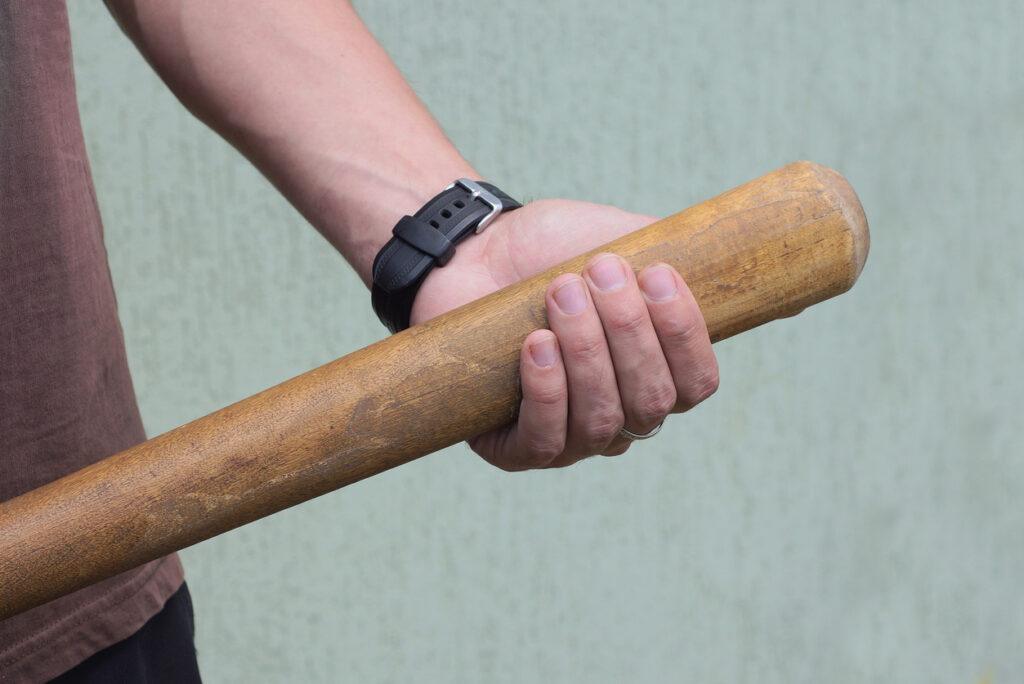
People often assume the prosecution must prove the object actually struck someone. That is not always true. A baseball bat, crowbar, or similar blunt object may support a felonious assault charge even without contact. If the prosecution claims the object was raised, brandished, or swung in a threatening way, and that conduct created reasonable fear of serious harm, they may argue the dangerous weapon element is satisfied.
Beer Bottles and Glassware
Bar fights often create this issue. A bottle broken over someone’s head is the obvious example. However, an intact bottle can also become the center of a felonious assault case if prosecutors claim it was swung, thrust forward, or used in a way likely to cause deep cuts or head trauma. Glass objects can easily be recast as dangerous weapons once the facts are framed around their capacity to injure.
Flashlights
A heavy metal flashlight can become a dangerous weapon when used as a striking object. Prosecutors may focus on weight, shape, and the part of the body targeted. A hard metal object swung toward a person’s head or face can support the argument that it was capable of causing great bodily harm.
Shoes and Boots
Many people are shocked to learn that a foot wearing a shoe or boot can be treated as a dangerous weapon in the right case. This issue often appears in allegations involving stomping, repeated kicking, or kicks directed at the head or face. The prosecution will focus less on the shoe itself and more on the force, target area, and risk of severe injury.
Pieces of Lumber, Pipes, and Construction Materials
A two-by-four. A metal pipe. A piece of rebar. These objects can quickly become central evidence in workplace disputes, neighborhood arguments, and spontaneous fights. If the prosecution claims the item was sturdy enough to inflict serious injury and was used like a weapon, the dangerous weapon allegation can follow.
Why This Issue Matters So Much
The difference between simple assault and felonious assault in Michigan is enormous. Simple assault is a misdemeanor punishable by up to 93 days in jail. Felonious assault is a felony punishable by up to four years in prison.
That difference affects far more than the possible sentence. A felony conviction can follow someone for years. It can affect employment, housing, professional licensing, firearm rights, reputation, and future sentencing exposure. In many cases, the dangerous weapon allegation is the single fact that transforms a misdemeanor case into a felony one.
That is why the legal definition matters so much. Two altercations may look similar on paper. Yet if one person allegedly picked up an ordinary object during the incident, prosecutors may decide to charge the case as a felony under MCL 750.82.
For a broader view of how these cases are charged and defended, see our Michigan assault defense overview.
How Prosecutors Actually Make the Charging Decision
As a former Ingham County prosecutor, I can tell you the charging decision often turns on one direct question: could this object, as allegedly used, have caused death or great bodily harm?
That is the lens prosecutors use. They look at the object and how it was used. They look at where it was directed and what the complaining witness says they feared. Then they decide whether the facts support a felony charge instead of a misdemeanor one.
Importantly, prosecutors do not care whether the item was manufactured as a weapon. That point carries very little legal weight. A kitchen knife may be sold as a cooking tool. A screwdriver may be kept in a toolbox. A flashlight may sit in a glove box. A car may be used every day for work or family errands. None of that ends the inquiry if the state claims the item was used in a way capable of causing serious harm.
Intent also matters. Felonious assault requires an intentional assault. Accidental contact is not enough. Negligence is not enough. The prosecution must prove the defendant intentionally committed an assault with the object and that the object qualified as a dangerous weapon under the circumstances.
Where the Defense Often Fights Back
The dangerous weapon element is often the most contested part of the case. That is especially true when the object involved was an everyday item and not a traditional weapon.
In those cases, the defense can challenge several parts of the prosecution’s theory. Was the object really capable of causing death or great bodily harm in the specific way it was used? Was it actually used in a threatening way at all? Did the complaining witness misread the situation? Did the police overcharge the case based on assumptions rather than clear evidence?
Those questions matter because the dangerous weapon issue is highly fact-specific. The prosecution does not get a free pass simply because an object was present. It still must prove beyond a reasonable doubt that the object, as used, met the legal threshold.
That can create meaningful room for a defense. In some cases, the facts support a reduction to simple assault. In others, the evidence may support dismissal or acquittal and the most important issue may be whether the accused acted lawfully in response to a threat.
That is where self-defense can become critical. If the evidence shows the person used force because they reasonably believed it was necessary to protect themselves or someone else, self-defense may defeat the charge entirely. You can read more about that on our Michigan self-defense page.
Why Early Investigation Matters
Cases involving everyday objects often rise or fall on details that can disappear quickly. Surveillance footage may be overwritten. Witness memories may fade. The object itself may be lost, discarded, or poorly documented. Scene photos may fail to capture what actually happened. A rushed police report may leave out key context.
That is why early defense work matters so much. A strong defense starts with examining the actual object, the physical evidence, the scene, and the exact claims being made about how the item was used. In many cases, the defense needs to challenge the state’s framing before that version hardens into the official story.
That early work also helps identify whether the issue is really the object, the intent, the witness credibility, or the larger context of the encounter. Sometimes the object is not the strongest issue at all. Sometimes the real defense is that no assault occurred in the first place.
What to Do If You Are Facing This Charge
If you have been charged with felonious assault based on an everyday object, take the case seriously. It does not matter that the alleged weapon was a bottle, a flashlight, a tool, or a vehicle. The charge is still a felony, and the consequences are still serious.
At the same time, these cases are often more defensible than people think. Unlike a case involving a gun or a knife, the dangerous weapon element may be open to real dispute. That creates room for focused legal challenges, factual investigation, and strategic defense work.
At Ben Hall Law, we handle assault cases throughout Michigan and understand how prosecutors evaluate dangerous weapon allegations under MCL 750.82. My background as a former prosecutor, former Michigan law enforcement officer, and Marine Corps veteran shapes how we approach these cases from the start.
If you are facing a felonious assault charge involving an everyday object, contact Ben Hall Law for a confidential consultation. The sooner the defense begins, the more opportunity there is to preserve evidence, challenge the state’s assumptions, and protect your future.
Ben Hall Law represents clients facing felonious assault charges throughout Michigan. Attorney Ben Hall is a former Ingham County prosecutor, former Michigan law enforcement officer, and Marine Corps veteran.

 877-Ben-Hall