Noise Ordinance and Party Citations at MSU: What You Need to Know
Noise Ordinance Violations and Party Citations for MSU Students
A noise ordinance violation occurs when sound from a property exceeds legal limits set by local law, while a party citation is issued when police determine a gathering has violated those rules or created a public disturbance. For Michigan State University students, these are not informal warnings they are enforceable legal violations that can carry immediate and lasting consequences. Off-campus parties in East Lansing frequently draw police attention, especially after complaints, and citations can result in fines ranging from $250 to $1,000, potential misdemeanor charges, and even a permanent criminal record.
If you are facing this situation, speaking with an MSU student criminal defense lawyer early can make a significant difference. These cases often involve both criminal charges and university disciplinary action simultaneously, putting your academic standing and future at risk. This guide breaks down how violations happen, what the charges actually mean, the penalties you could face, and the legal options available, with insights informed by firms like Ben Hall Law that regularly handle student-related cases.
What Is a Noise Ordinance Violation?
A noise ordinance violation occurs when sound from a property is considered unreasonable and disruptive to others, not simply loud. For Michigan State University students, this means noise that interferes with sleep, studying, or normal daily living in nearby homes. In off-campus housing areas around East Lansing, this is often treated as disturbing the peace, where the focus is on the impact of the noise rather than exact volume levels. Police typically respond to complaints and make decisions based on what they hear and observe, relying on judgment instead of strict measurements, especially during late-night hours.
Common student scenarios include loud music from a house party after midnight, groups yelling outside after 11 PM, or repeated complaints tied to the same address. Not all noise is illegal timing, location, and duration all determine whether it crosses the legal threshold. The law applies a reasonable person standard, meaning it asks whether an average person would find the noise excessive under the circumstances. What begins as a simple complaint can escalate quickly into formal violations and even party citations if the behavior continues.
What Are Party Citations and Nuisance Party Laws?
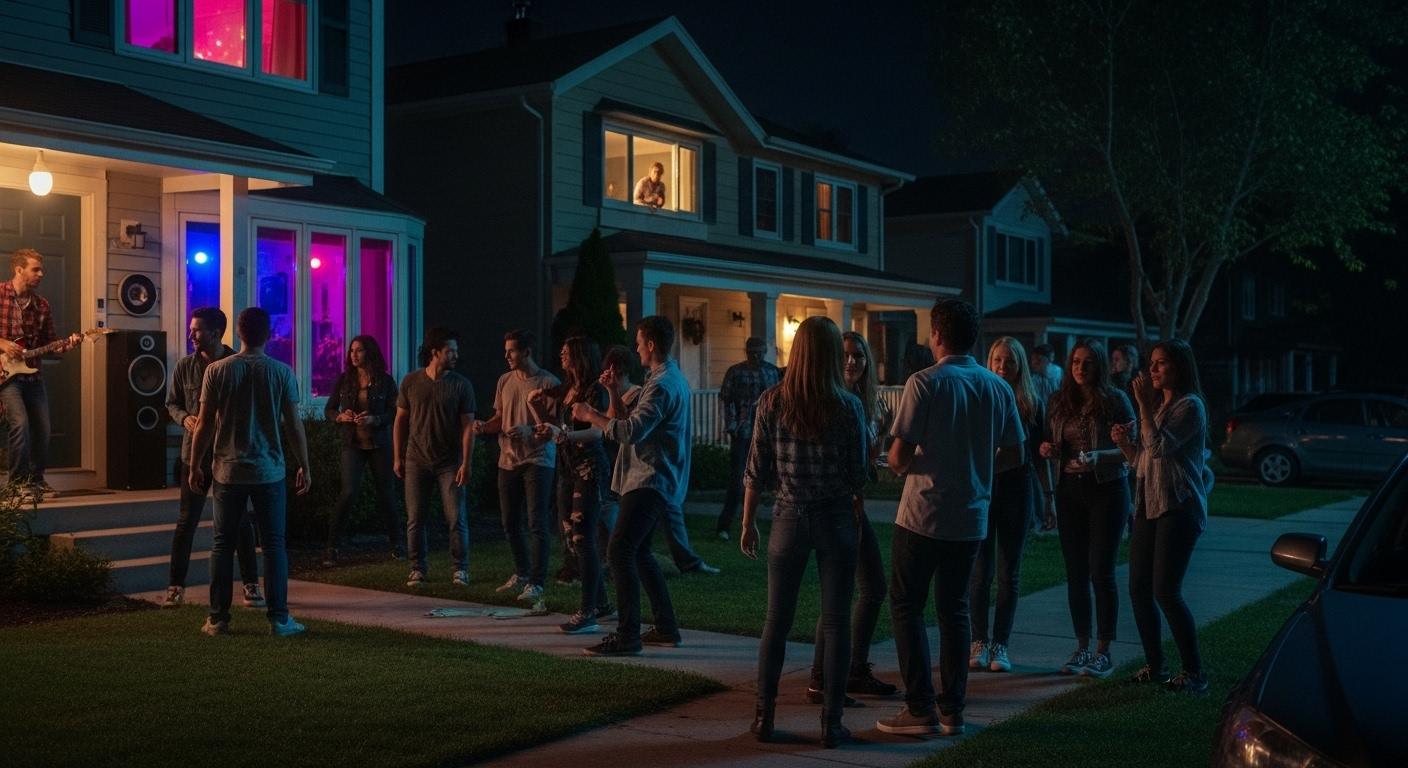
A party citation is a legal charge issued when a gathering creates disturbances or involves unlawful activity beyond simple noise. For Michigan State University students, this means a situation where police determine that a party has crossed into public safety or legal concerns, not just excessive sound. Unlike a basic noise ordinance violation, which is limited to unreasonable noise, a party citation involves multiple factors such as underage drinking, large crowds, repeated complaints, or disorderly behavior. In East Lansing off-campus housing, these citations often arise when officers respond and observe conditions that go beyond a typical noise complaint.
Enhanced party violations come into play when aggravating factors increase the severity of the situation. These include underage alcohol consumption, large gatherings spilling into streets, use of amplified sound systems like DJs or speakers, charging entry fees, or prior incidents linked to the same property. In these cases, penalties escalate quickly and may involve higher fines, additional charges, or stronger enforcement actions. For example, a crowded house party with alcohol and loud music after midnight is far more likely to trigger a party citation than a small gathering with minimal impact.
Nuisance party laws apply when a gathering repeatedly disrupts the surrounding community or involves multiple violations at once. A party can be classified as a nuisance if it leads to ongoing noise complaints, disorderly conduct, littering, public urination, or multiple police visits in a short timeframe. Around MSU housing areas, this often happens when neighbors call police multiple times during the same night or across several weekends. These situations are treated seriously and tend to escalate, exposing students to compounded legal risks, including charges related to minor in possession MIP Charges in Michigan.
Quiet Hours and Local Noise Laws Affecting MSU Students
Quiet hours typically run from 11 PM to 7 AM, and any noise during this window is far more likely to result in a violation. For Michigan State University students living off campus, these hours carry stricter expectations because residential neighborhoods prioritize sleep and normal living conditions. Complaints are more frequent during this time, and even moderate noise can trigger a police response. Understanding how these rules work is essential to avoiding citations and escalating legal issues.
One key factor is audible distance, meaning noise can be considered a violation if it is clearly heard from 50 to 100 feet away or across a neighboring property line. Enforcement is not based solely on fixed measurements police officers use discretion to determine whether the noise is unreasonable based on timing, environment, and impact on others. Local regulations outlined in the East Lansing noise ordinance make it clear that late-night disturbances are taken seriously. Even if students believe the noise is not excessive, it can still lead to citations if it disrupts neighbors.
Late-night gatherings, repeated complaints, and ongoing disturbances significantly increase the likelihood of enforcement. What starts as a small gathering can escalate quickly if police are called multiple times or observe continued violations.
Common Reasons MSU Students Receive Noise or Party Citations
Most noise ordinance and party citations issued to Michigan State University students come from predictable, real-world situations rather than isolated incidents. In most cases, these violations stem from off-campus house parties, fraternity or group housing events, and late-night gatherings that extend beyond normal hours. What begins as a social event often turns into a legal issue when certain triggers are present, especially in densely populated student neighborhoods. Understanding these patterns is key to avoiding unnecessary legal trouble.
Common triggers include neighbor complaints about loud music, large crowds spilling outside, underage drinking, overcrowding inside the property, and repeated disturbances tied to the same address. These factors quickly attract attention from both neighbors and law enforcement, particularly in areas known for frequent student activity. Police are more likely to respond when multiple complaints are made within a short time, when there is visible disorder, such as people in the street or public intoxication, or when a property is already on their radar. Once officers arrive, situations can escalate rapidly, leading to multiple citations or additional charges, including issues related to Fake ID Charges.
Penalties for Noise Ordinance and Party Citations in Michigan
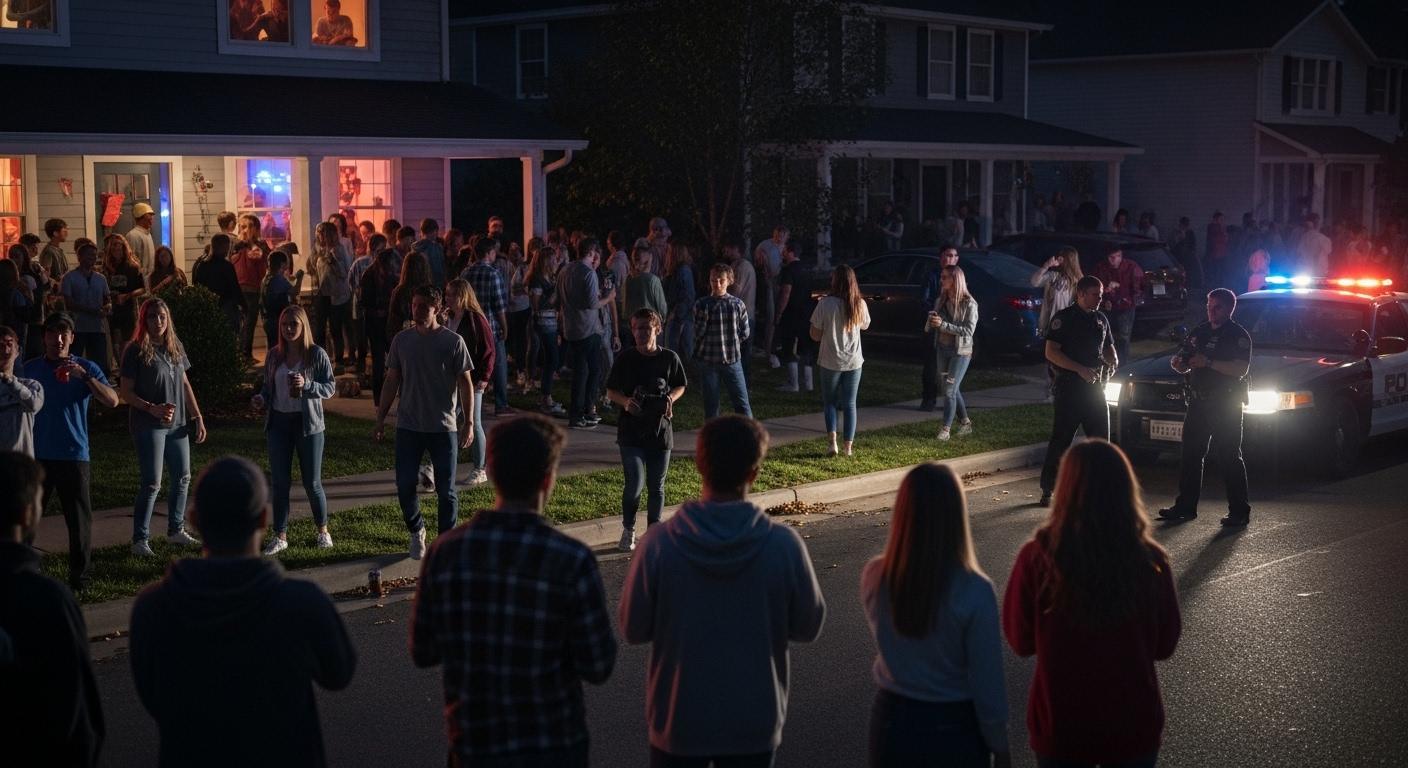
Penalties for noise ordinance and party citations in Michigan vary depending on the severity of the situation and whether the violation is treated as a civil infraction or a misdemeanor. For Michigan State University students, this distinction is critical because it determines whether the outcome is a fine or a criminal record. A civil infraction typically results in financial penalties without jail time, while a misdemeanor is a criminal offense that can carry lasting legal consequences. In many off-campus cases, what starts as a minor violation can escalate quickly based on circumstances.
Fines commonly range from $250 to $1000 or more, especially for repeat violations or larger gatherings. Additional penalties may include community service requirements, particularly when incidents involve overcrowding, underage drinking, or repeated police involvement. In more serious or repeated cases, jail time becomes a possibility, and courts may impose stricter conditions. Students may also face added costs such as fees for multiple police responses to the same property, which can significantly increase the financial burden. Penalties tend to escalate with each violation, leading to higher fines, increased scrutiny, and a greater likelihood of misdemeanor charges. What may seem like a one-time issue can quickly develop into a serious legal problem if ignored or repeated.
Can You Fight a Noise or Party Citation?
Yes, noise ordinance and party citations can be challenged depending on the facts of the case. For Michigan State University students, these charges are not automatic and often depend on how the situation was interpreted by law enforcement at the scene. Officers rely on personal observations, complaints, and surrounding circumstances to decide whether a violation occurred. Because these cases involve judgment rather than strict measurements, there is often room to question whether the noise was truly unreasonable. Key factors include the strength of the evidence, what officers actually witnessed, and whether the complaint accurately reflects the situation.
Not every gathering meets the legal threshold for a violation, especially when there is limited proof, unclear complaints, or conflicting accounts from neighbors and students. For example, a student may be cited without clear evidence of excessive noise or may simply be present at a party without being responsible for the activity. These distinctions matter when building a defense. Taking action early can significantly improve outcomes and reduce the risk of escalation into more serious charges. Consulting an MSU Student Criminal Defense Lawyer can help you evaluate the situation and identify the best legal strategy.
How Noise and Party Citations Can Affect MSU Students
The impact of noise ordinance and party citations goes far beyond fines and can affect multiple areas of a student’s life. For Michigan State University students, these violations can lead to a criminal record if charged as a misdemeanor, which may appear on background checks. This can create immediate and long-term consequences that extend well beyond the original incident. What seems like a minor issue can quickly become a lasting legal problem if not addressed properly. In addition to court penalties, MSU may take separate disciplinary action through its own student conduct system.
This can include warnings, probation, or other sanctions, meaning students face both legal and academic consequences at the same time. Housing is also at risk, as landlords often treat these violations as lease breaches, which can result in fines, formal warnings, or even eviction in repeat cases. These overlapping consequences can compound quickly. Long-term effects include difficulties with internships, job applications, and professional licensing, where background checks are required. Even a single incident can raise concerns for future employers or institutions. Related issues, such as Fire Code Violations in Fraternity Houses, can further increase legal and academic exposure if multiple violations occur together.
Common Legal Defenses for Noise and Party Tickets
Noise ordinance and party citations are not automatic convictions and can be challenged based on the facts of the case. For Michigan State University students, outcomes depend on the available evidence, how law enforcement handled the situation, and whether the violation can actually be proven. These cases often rely on officer judgment and complaints rather than objective measurements, which creates room for legal defense. Not every situation meets the legal threshold required to support a citation. Common defenses include a lack of evidence, where there is no clear proof that the noise was excessive or disruptive.
Another is noise not clearly audible, such as when music or voices could not reasonably be heard from a distance that would disturb others. Wrong identification is also frequent, for example, when a student is cited simply for being present at a party but was not hosting or controlling the noise. There is also the defense of no actual disturbance, where complaints are subjective or unsupported, such as a neighbor reporting noise without a clear impact. These defenses are grounded in real MSU scenarios where assumptions are made without solid proof. Because enforcement often depends on interpretation, challenging the details can significantly affect the outcome.
What To Do If You Receive a Noise or Party Citation
Receiving a noise ordinance or party citation should be taken seriously and not ignored, even if it seems minor. For Michigan State University students, failing to respond can lead to increased fines, missed court deadlines, or additional legal consequences. These citations are part of a legal process, and early mistakes can make the situation harder to resolve. Taking immediate, informed action is critical to limiting long-term impact. Start by avoiding any admission of guilt when speaking with law enforcement or others, as statements can be used against you later.
Document the situation as soon as possible by collecting photos, videos, or witness accounts that reflect what actually happened. Carefully review the citation to understand the exact charge, deadlines, and whether a court appearance is required. After a citation is issued, you may need to respond formally, appear in court, or resolve the matter through payment or legal defense. Stay organized, track all deadlines, and avoid further violations while the case is ongoing. Acting early gives you more control over the outcome and reduces the risk of escalation into more serious penalties.
When to Contact a Criminal Defense Lawyer
Legal help should be considered as soon as a noise ordinance or party citation involves more than a minor issue or has the potential to escalate. For Michigan State University students, this includes situations where the charge is a misdemeanor, there are repeat violations, or multiple citations are issued at the same time. It is also critical when the case may lead to both court consequences and university disciplinary action. These situations can develop quickly and carry long-term risks such as a criminal record, academic penalties, or housing complications.
A criminal defense lawyer can provide practical guidance by reviewing the facts, identifying weaknesses in the evidence, and explaining your legal options step by step. They can help you avoid unnecessary penalties, negotiate better outcomes, and, in some cases, work toward reducing or dismissing charges. Early legal involvement often leads to stronger results because key details are preserved and deadlines are met. Firms like Ben Hall Law have experience handling MSU student cases and understand how these situations typically unfold.
FAQs About
The following answers address the most common questions MSU students have about noise ordinance and party citations, with clear and practical guidance based on real situations.
Is a noise violation a misdemeanor?
Most first-time violations are civil infractions, meaning fines without jail time. However, repeat offenses or added factors can escalate the charge into a misdemeanor.
How much can the fine be?
Fines typically range from $250 to $1000, depending on severity and prior violations. Additional costs may apply if police respond multiple times.
Does a citation go on a criminal record?
Civil infractions usually do not create a criminal record. Misdemeanor charges, however, can appear on background checks.
Is jail time possible?
Jail time is rare for first-time offenses, but it becomes possible in repeated or more serious cases. Escalation increases legal risk quickly.
Can a citation be challenged?
Yes, these citations can be challenged based on evidence and circumstances. Law firms like Ben Hall Law often handle these cases for MSU students.
What happens if I ignore the ticket?
Ignoring a citation can lead to higher fines, court warrants, or additional penalties. Acting early helps prevent the situation from worsening.
Get Legal Help for Noise Ordinance and Party Citations at MSU
If you are facing a noise ordinance or party citation at Michigan State University, taking action early is critical. What may seem like a minor issue can quickly escalate into serious legal and academic consequences if not handled properly. MSU students often deal with both court-related penalties and university disciplinary action at the same time, making early decisions especially important. Delaying action or trying to handle the situation alone can lead to higher fines, stronger charges, and long-term impact on your record.
An experienced MSU Student Criminal Defense Lawyer can help you understand your options, evaluate the facts, and identify possible defenses based on your specific situation. They guide you through each step of the legal process, help avoid unnecessary penalties, and work toward reducing or resolving charges. Firms like Ben Hall Law have experience handling MSU student cases and understand how quickly these situations can escalate. Seeking legal guidance early gives you the best chance to protect your record, your academic standing, and your future.
 877-Ben-Hall